Content marketing strategies is no longer just about posting blogs and hoping for traffic. In 2025, it’s a competitive, data-driven, and audience-focused approach to building trust, driving engagement, and increasing sales.
Businesses that win in content marketing know one thing: it’s not about creating more content, it’s about creating the right content.
In this guide, we’ll explore content marketing strategies that have been proven to work — backed by real-world examples and data — so you can make your efforts count.
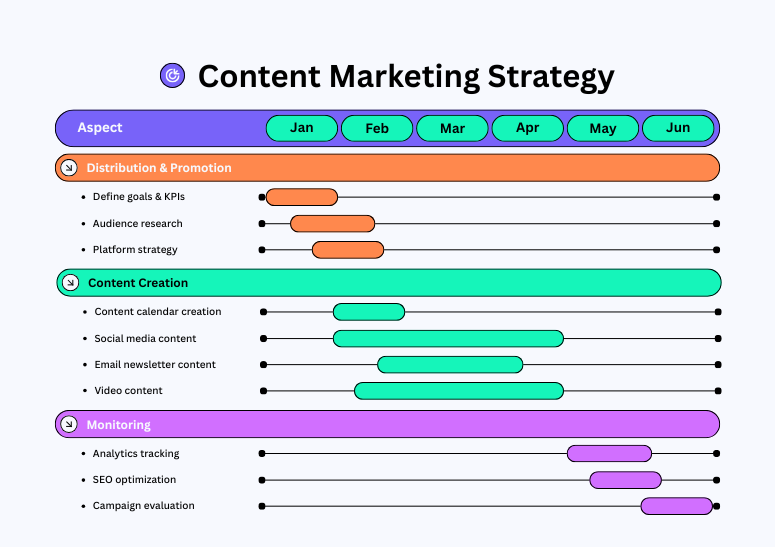
1. Start with a Clear Content Marketing Goal
Random content creation rarely works. Before you start writing, filming, or designing, decide what you want your content to achieve.
Common goals include:
- Increasing website traffic
- Building brand awareness
- Generating leads
- Educating customers
- Driving sales
Example: A SaaS company might create educational blog posts and webinars to nurture leads, while an e-commerce brand might focus on Instagram videos to increase sales during seasonal campaigns.
Pro Tip: Link every piece of content to a measurable outcome, such as clicks, sign-ups, or purchases.
2. Understand Your Audience in Depth
Successful content is built on a deep understanding of your audience’s needs, interests, and pain points.
How to get audience insights:
- Analyze your website and social media analytics
- Conduct surveys or polls
- Monitor online communities and forums
- Study competitors’ content engagement
Stat: According to the Content Marketing Institute, 73% of top-performing marketers use detailed audience personas to guide their content strategy.
Example: HubSpot tailors its content for marketers, sales professionals, and customer service teams, each with different guides, templates, and case studies.
3. Create High-Quality, In-Depth Content
In 2025, short, shallow posts no longer perform well in search engines or on social media. People expect value-packed content that solves their problems.
What high-quality content looks like:
- Well-researched and fact-checked
- Clear, actionable steps
- Unique insights and examples
- Visually engaging with images, charts, or videos
Example: Backlinko’s long-form SEO guides consistently rank at the top of Google because they provide comprehensive coverage, expert insights, and practical tips.
4. Repurpose Content Marketing Strategies Across Multiple Formats
You don’t have to create new content from scratch every time. Repurposing allows you to get more reach from one idea.
Repurposing ideas:
- Turn a blog post into a LinkedIn carousel
- Convert webinar recordings into YouTube videos
- Break down research reports into bite-sized Instagram posts
- Compile multiple blogs into an eBook
Example: Gary Vaynerchuk’s team often takes one keynote speech and turns it into dozens of short-form videos, quotes, and blog articles.
5. Optimize Content for SEO
Search engine optimization is still one of the most effective ways to get consistent traffic. In 2025, SEO is more about user experience and search intent than just keywords.
Key SEO strategies:
- Use relevant, low-competition keywords
- Write compelling meta titles and descriptions
- Add internal and external links
- Ensure mobile-friendly and fast-loading pages
- Optimize for voice search queries
Stat: BrightEdge reports that organic search drives 53% of all website traffic, making SEO a critical part of content marketing.
6. Leverage Storytelling to Connect with Your Audience
People remember stories more than facts. Storytelling helps your brand feel human and relatable.
How to use storytelling:
- Share customer success stories
- Talk about challenges your brand has overcome
- Use narratives to explain how your product or service solves a problem
Example: Nike’s content often focuses on the personal journeys of athletes, creating an emotional connection that goes beyond just selling shoes.
7. Use Data and Case Studies for Credibility
Back up your claims with hard evidence. Statistics, case studies, and research make your content more trustworthy and shareable.
How to include data:
- Reference credible sources and studies
- Showcase before-and-after results
- Include charts, infographics, and visuals
Example: Neil Patel often includes specific growth metrics in his marketing blogs, proving that his strategies work in real-life scenarios.
8. Build a Consistent Publishing Schedule
Consistency builds trust and keeps your audience engaged. Posting once in a while won’t bring long-term results.
Best practices for consistency:
- Create a monthly content calendar
- Batch-create content ahead of time
- Post at the same time and day each week
Stat: Companies that publish content regularly get 67% more leads than those without a consistent schedule (HubSpot).
9. Promote Your Content Aggressively
Creating content is only half the battle. You also need to promote it so it reaches the right audience.
Promotion channels:
- Social media platforms
- Email newsletters
- Online communities and forums
- Guest posting on other sites
- Paid ads for high-value content
Example: When Buffer publishes a new blog, they share it across all their social channels, include it in their newsletter, and encourage employees to post it on LinkedIn.
10. Measure and Improve Your Content Marketing Strategy
Without tracking performance, you won’t know if your content is working.
Key metrics to track:
- Traffic (Google Analytics)
- Engagement (likes, shares, comments)
- Conversions (sign-ups, purchases)
- SEO rankings (Ahrefs, SEMrush)
Example: If a blog post gets high traffic but low conversions, you may need a stronger call-to-action or more relevant lead magnet.
11. Collaborate with Industry Experts
Partnering with experts can boost your credibility and expand your reach.
How to collaborate:
- Interview experts for your blog or podcast
- Co-author guides or reports
- Invite guest posts from respected voices in your niche
Example: Moz often features guest blogs from SEO professionals, giving readers fresh perspectives while tapping into the guest’s audience.
12. Adapt to New Content Marketing Strategis Formats and Trends
Content marketing strategies is always evolving. Brands that adapt early to new formats often get a competitive advantage.
Emerging trends in 2025:
- Interactive content (quizzes, polls, calculators)
- AI-generated content with human editing
- Short-form video integration into blogs
- Personalization based on user behavior
Final Thoughts
The most successful content marketing strategies in 2025 are those that focus on quality, audience understanding, and consistent value delivery. It’s not about creating endless amounts of content, but about producing content that truly resonates and drives action.
If you understand your audience, tell compelling stories, use data for credibility, and adapt to new trends, your content marketing will not only attract attention but also build long-term trust and brand loyalty.
The key is simple: create content worth consuming, and your audience will keep coming back for more.